CBSE Board Exam Timetable 2027: Class 10, 12 Date Sheet, Subject-Wise Schedule Soon - IMTS News
Your ultimate guide to the CBSE board exam, covering the date sheet, exam pattern, syllabus, passing criteria, and expert tips for balancing boards with JEE & NEET prep.
16 min read
CBSE Board Exam: The Ultimate Guide for JEE & NEET Aspirants
Remember that unforgettable scene in '3 Idiots' where the characters frantically search for their names on the results board? That mix of raw hope and crippling fear is a feeling millions of students know all too well. For aspirants across India, the CBSE board exam isn't just another test. It often feels like the final boss battle of your entire school journey.
This exam is more than a report card. It's the foundation for your college admissions and the launchpad for your dreams of cracking JEE or NEET. Juggling the immense pressure of boards with the relentless demands of competitive exam coaching can feel like an impossible task. You might feel stretched thin, wondering where to focus your energy.
But what if you had a clear, strategic roadmap? What if you could turn that anxiety into a confident action plan?
This ultimate guide is exactly that. We will break down every single aspect of the CBSE board exam you need to know. We'll cover everything from the exam pattern and syllabus to the art of writing perfect answers. Most importantly, we'll show you how to masterfully balance your boards with your JEE or NEET preparation. Let's get started.
Understanding the CBSE Board Exam Landscape
[image: A diagram showing a student at a fork in the road, with one path labeled 'Board Exams' and the other 'JEE/NEET', merging into a single highway labeled 'Engineering/Medical College'.]
Before diving into strategy, let's zoom out. The Central Board of Secondary Education (CBSE) is one of India's largest and most recognized educational boards. The Class 10 and Class 12 examinations it conducts are a national benchmark for school education. For most students, this is the first high-stakes, externally evaluated exam they face.
The CBSE board exam is not an isolated event. It is deeply intertwined with your future competitive exam performance. The syllabus for JEE Main and NEET is built upon the foundation of the Class 11 and 12 CBSE curriculum. Mastering your board subjects is the first, non-negotiable step towards success in these tougher entrance tests.
Furthermore, your performance in the Class 12 board exam directly impacts your eligibility for top engineering colleges. Institutions like IITs, NITs, and IIITs have minimum percentage requirements that you cannot afford to ignore. Think of your board preparation not as a distraction from your JEE/NEET goal, but as an essential part of it.
When Will the CBSE Date Sheet Be Released?
[image: A stylized calendar for December with 'CBSE Date Sheet Expected' highlighted, and an arrow pointing to February-April marked as 'Exam Period'.]
One of the most anticipated announcements for students is the release of the official CBSE date sheet. This document dictates your study schedule for the final, crucial months. Typically, the CBSE releases the date sheet for both Class 10 and Class 12 exams in December.
The exams themselves usually commence in mid-February and conclude by early April. This gives students a well-defined window to plan their intensive revision. Once the date sheet is out, your first task should be to analyze it carefully.
Look for the gaps between your main papers. A five-day gap between Physics and Chemistry is a golden opportunity for focused revision. A two-day gap means you need to have that subject's revision completed beforehand. Always rely on the official CBSE website for this information. Avoid rumors and fake schedules circulating on WhatsApp and social media; they only cause unnecessary stress. Your entire revision strategy hinges on this official document, so treat it with the importance it deserves.
Decoding the CBSE Board Exam Pattern (Class 12 & 10)
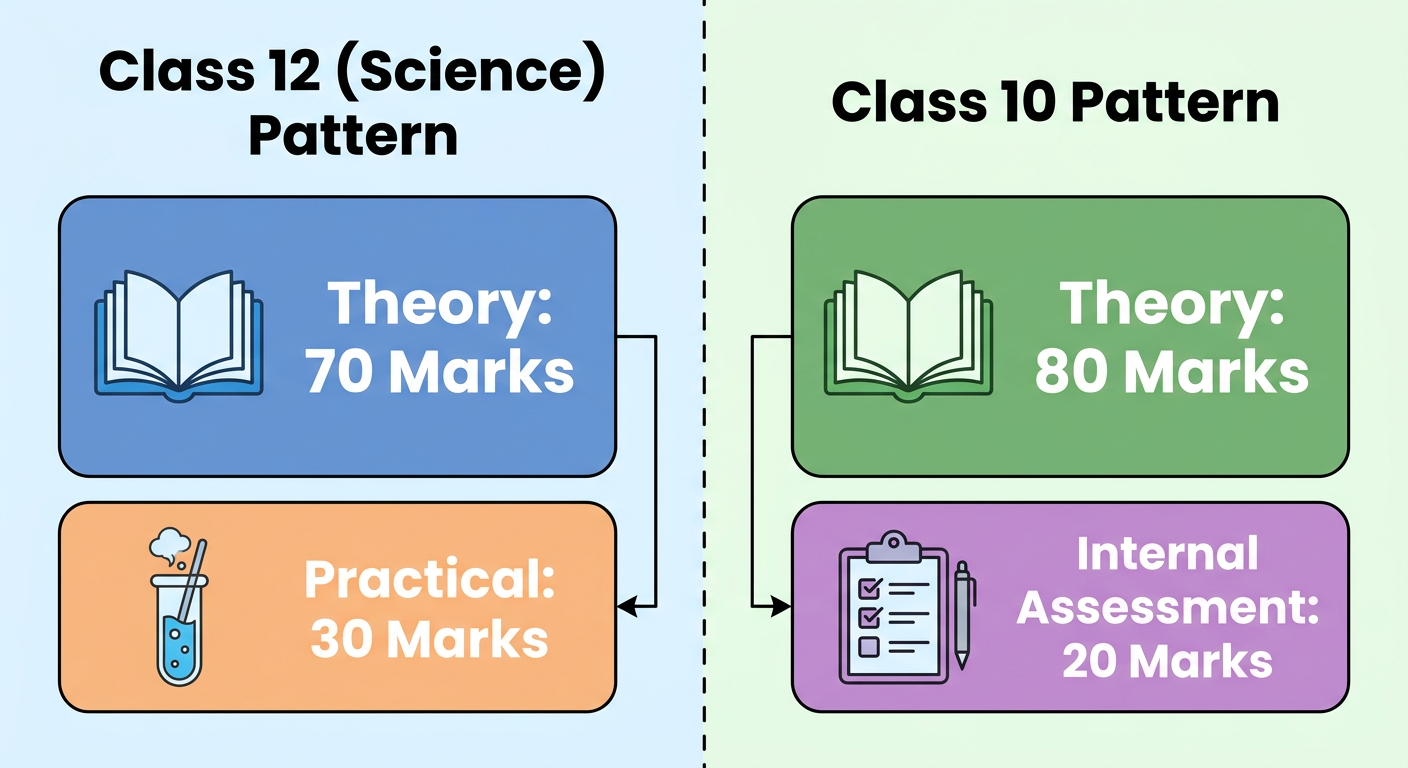
Understanding the question paper's structure is half the battle won. In recent years, CBSE has moved towards testing deeper understanding rather than just rote memorization. The CBSE board exam pattern now includes a healthy mix of question types.
You can expect Multiple Choice Questions (MCQs), very short answer questions, short answer questions, and long answer questions. A significant portion of the paper is now dedicated to competency-based questions. These include case studies, source-based questions, and assertion-reasoning problems, which are designed to test your analytical and real-world application skills.
Class 12 Exam Pattern for Science Stream
For science students aiming for JEE or NEET, the pattern for Physics, Chemistry, and Maths/Biology is critical. Typically, the structure is a 70-mark theory paper and a 30-mark practical exam. English and the fifth (optional) subject usually have an 80-mark theory paper and 20 marks for internal assessment.
The theory paper is further divided into sections with varying marks per question. Knowing that a 5-mark question requires a detailed, point-wise answer with diagrams, while a 2-mark question needs a concise explanation, is crucial for effective time management.
Class 10 Exam Pattern
The Class 10 board exam sets the stage for your future academic stream. The pattern here is more uniform across subjects like Science, Maths, and Social Science. It consists of an 80-mark theory examination and 20 marks for Internal Assessment.
This 20-mark internal component is a combination of periodic tests, notebook submission, and subject enrichment activities conducted throughout the year. Scoring well in these internal assessments provides a comfortable cushion for your final percentage.
The Importance of CBSE Practical Exams
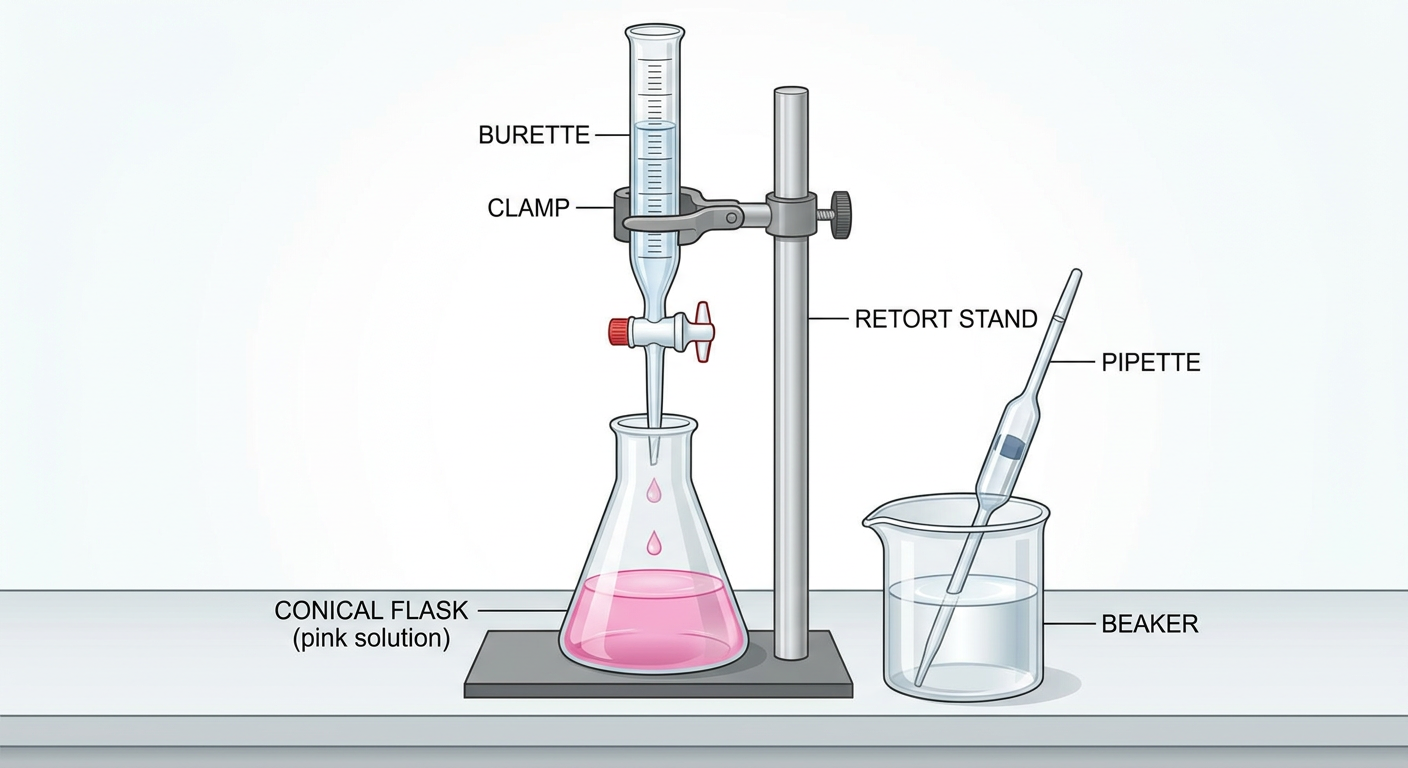
Many students make the mistake of taking practicals lightly. This is a huge error. The CBSE practical exam accounts for 30 marks in each of the core science subjects—Physics, Chemistry, and Biology. That's 30% of your total score, and it's often easier to score high here than in the theory paper.
These exams are not just about marks. They are designed to provide hands-on experience and solidify the theoretical concepts you learn in class. The practical exam typically involves performing one or two experiments, maintaining a practical file or project report, and facing a viva voce (oral examination) with an external examiner.
To excel in your practicals, be regular and attentive during your lab sessions throughout the year. Keep your practical record neat, with clear diagrams and accurate readings. For the viva, don't just memorize definitions. Understand the underlying principle of the experiments you've performed. Confidence and a clear conceptual understanding will impress the examiner and help you secure those crucial 30 marks.
Mastering the CBSE Syllabus for Board and Competitive Exams
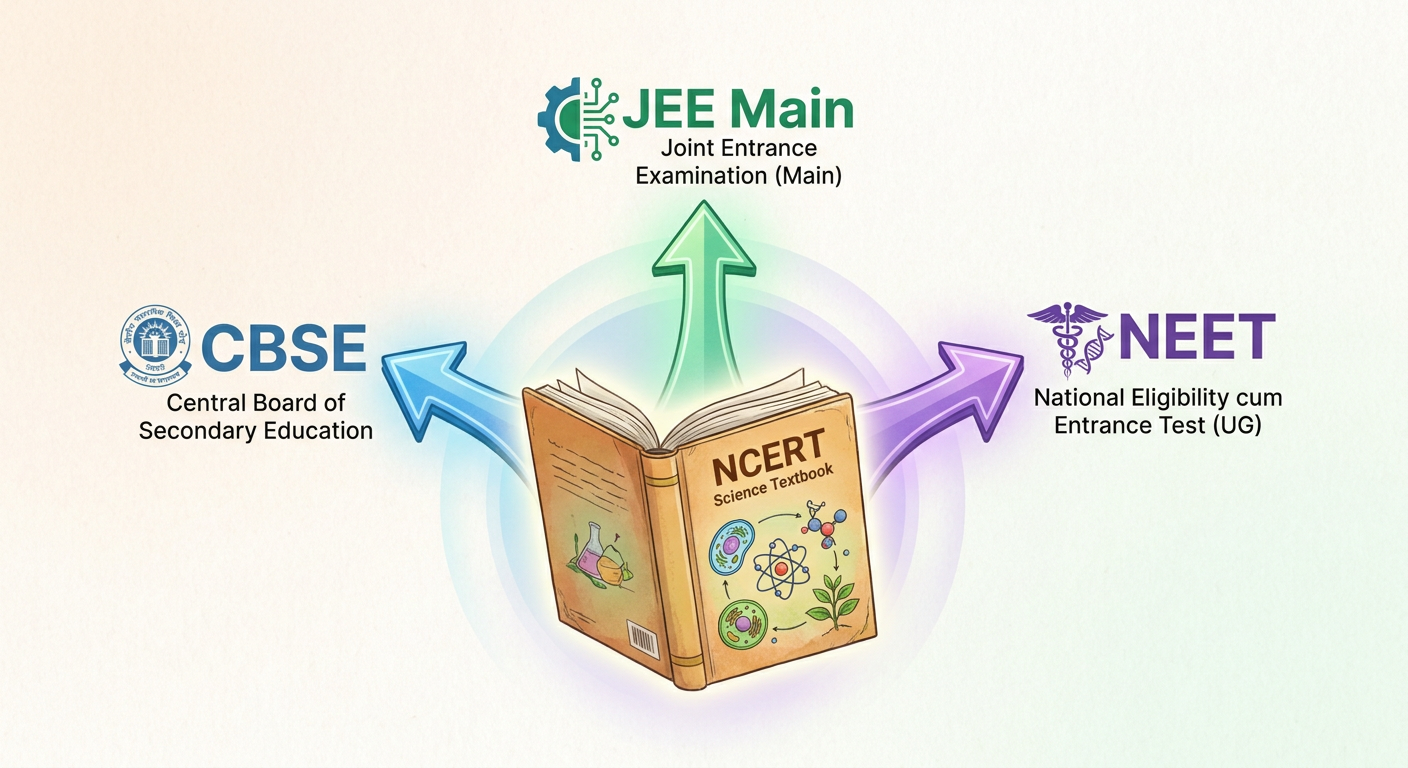
If there is one golden rule for cracking both the CBSE board exam and competitive tests, it is this: NCERT textbooks are your bible. The entire CBSE syllabus is prescribed by NCERT, and this very syllabus forms the backbone of JEE Main and NEET. Ignoring NCERT is a recipe for disaster.
However, the way you approach the syllabus for boards and competitive exams needs a slight adjustment. You need an integrated approach. You can find the complete and updated JEE/NEET syllabus here to map it against your board curriculum.
Physics: Bridging Board and JEE/NEET Gaps
For the CBSE board exam, Physics questions often focus on derivations of formulas, definitions, and direct application of formulas in numericals. JEE and NEET, on the other hand, test your ability to apply multiple concepts to solve a single complex problem.
Your strategy should be to first master the derivations and theory from NCERT for your boards. This builds a strong conceptual foundation. Once a chapter is complete, practice objective questions and multi-concept MCQs from a good reference book for your competitive exam prep.
Chemistry: From NCERT to Advanced Concepts
Chemistry is a scoring subject in both boards and competitive exams, and NCERT is paramount. For Inorganic Chemistry, reading the NCERT textbook multiple times is often sufficient for both exams. The questions are asked directly from the lines of the book.
For Organic Chemistry, use NCERT to build a strong understanding of reaction mechanisms and named reactions. For JEE/NEET, you'll need to practice a wider variety of reaction-based problems. In Physical Chemistry, solve every single numerical from the NCERT textbook for boards. This will prepare you to tackle the more complex numericals in competitive exams.
Maths: Building a Strong Foundation
The biggest difference in Maths preparation is the method of solving. The CBSE board exam requires detailed, step-by-step solutions to showcase your understanding. In contrast, JEE Main and Advanced demand speed, which often involves using shortcuts and tricks.
Never learn the shortcuts directly. First, master the standard, long method for each problem type as required for your boards. This builds the fundamental logic. Only then should you learn and practice the shortcuts. Without the foundational knowledge, shortcuts become meaningless rules that you will forget under pressure.
Biology: The Key to NEET Success
For NEET aspirants, the NCERT Biology textbook for classes 11 and 12 is everything. Over 95% of the questions in the NEET exam can be traced back to this book. The same book is, of course, the syllabus for your board exam.
For boards, focus on learning definitions, drawing well-labeled diagrams, and writing answers in a clear, point-wise format. For NEET, your job is to read between the lines. Every statement, every diagram caption, and every summary point in NCERT is a potential MCQ. Master this book, and you are well on your way to success in both arenas.
How to Score 95%+ in Your CBSE Board Exam
Scoring above 95% in the CBSE board exam is an achievable goal with the right strategy. It’s not just about studying hard; it’s about studying smart and, more importantly, presenting your knowledge effectively.
The Power of NCERT Textbooks
We cannot stress this enough. Read your NCERT textbooks cover to cover, multiple times. Solve every single in-text question, example, and back-of-the-chapter exercise. The board paper is designed around this book, and many questions are asked directly from it.
Solving Previous Year Questions (PYQs)
Once you have a firm grip on the NCERT content, the next step is to solve PYQs. This is the single most effective way to understand the exam pattern, the weightage of different chapters, and the types of questions that are frequently asked. Aim to solve the papers from the last 7-10 years under timed conditions.
By practicing with real exam papers, you train your brain to work under pressure and manage your time effectively. You can find a vast collection of previous year questions on our platform to get started.
The Art of Writing Perfect Answers
In a subjective exam like the CBSE boards, presentation is key. A well-structured, neatly written answer will always fetch more marks than a haphazardly written one, even if the content is the same.
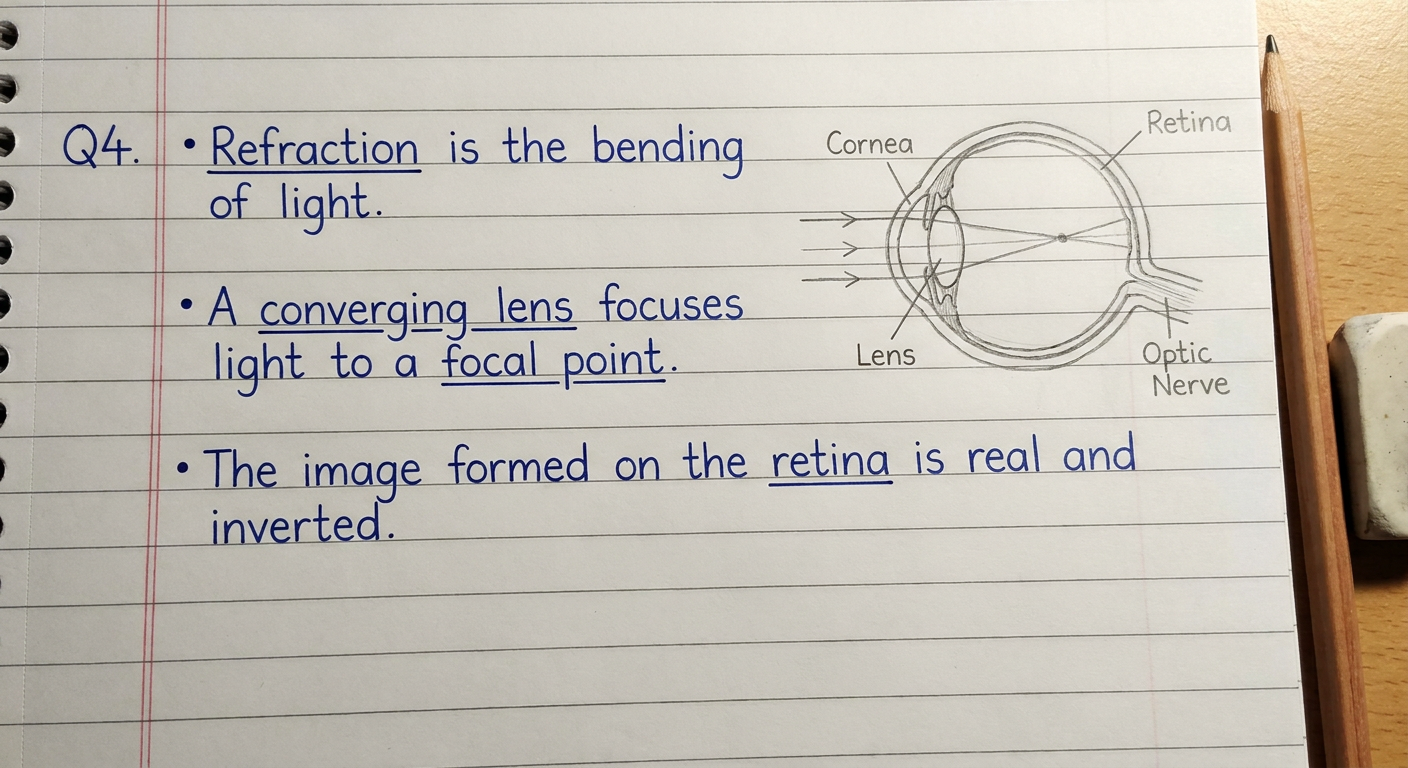
Always underline key terms and headings. Use bullet points or numbered lists for long-answer questions to make them easy to read. Draw large, neat, and well-labeled diagrams with a pencil. Most importantly, respect the word limits and answer to the point. The examiner is checking hundreds of papers; make their job easier.
Effective Time Management During the Exam
CBSE gives you 15 minutes of reading time before the exam officially begins. Use this time wisely. Quickly scan the entire paper and plan your attempt sequence. Decide which section you will tackle first and identify the questions you are most confident about.
Allocate a specific amount of time to each section based on its marks weightage. Wear a simple analog watch and keep track of the time. If you get stuck on a question, don't waste more than a few minutes on it. Move on and come back to it later if you have time at the end.
Balancing CBSE Boards with JEE/NEET Preparation
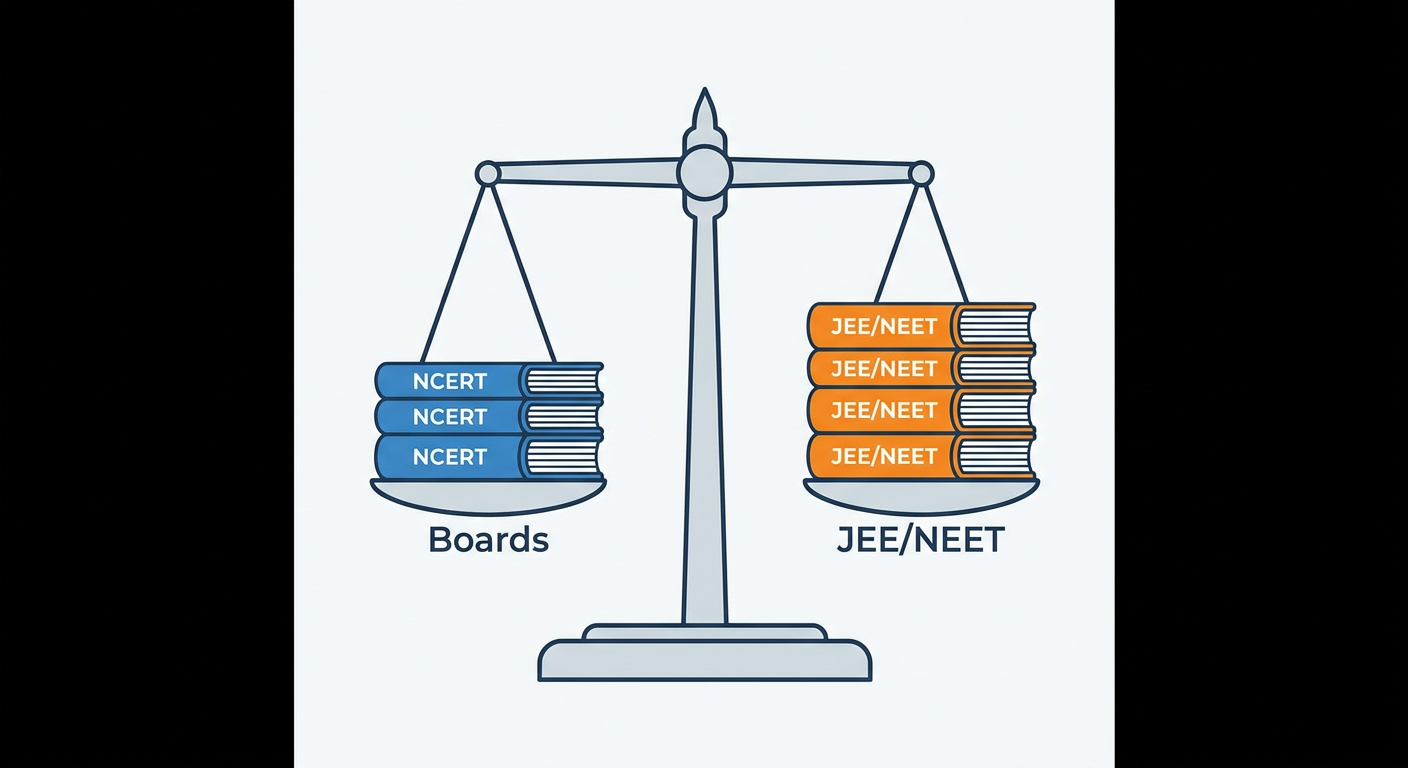
This is the ultimate challenge for every science student. How do you serve two masters? The key is integration, not separation. Don't think of your preparation in two separate buckets of 'Boards' and 'Competitive'.
Creating an Integrated Study Schedule
Design your study plan to merge both goals. When you pick up a chapter, first study it thoroughly from the NCERT textbook. Solve all its exercises. This covers your board preparation for that chapter. Immediately after, solve higher-level MCQs and problems on the very same chapter from your coaching material or reference books. This covers your JEE/NEET prep.
From December onwards, dedicate a few hours each week specifically to practicing writing long-form, subjective answers. The knowledge is already in your head from your competitive exam studies; you just need to practice presenting it in the format CBSE requires.
Can I Ignore Boards and Focus Only on JEE/NEET? (A Bad Idea)
Many students entertain this dangerous idea. Let us be clear: it is a terrible strategy. Neglecting your boards can have severe consequences. Firstly, you might fail to meet the eligibility criteria for the very colleges you are aiming for. Secondly, a poor board result can shatter your confidence right before the main competitive exams. Lastly, it adds immense and unnecessary parental and social pressure.
The 75% Criteria: Why Boards Matter More Than Ever
For admission into IITs, NITs, IIITs, and other Centrally Funded Technical Institutions (CFTIs), there is a crucial eligibility rule. A candidate must either score a minimum of 75% aggregate marks in their Class 12 board exam (65% for SC/ST) or be in the top 20 percentile of their respective board. This rule makes your CBSE Class 12 exam performance absolutely non-negotiable.
Imagine the heartbreak of clearing JEE Advanced with a good rank but being ineligible for admission because you fell short of the board percentage. Always check the latest information bulletin on the official NTA JEE Main website for the most current rules.
Understanding the CBSE Grading System and Passing Criteria
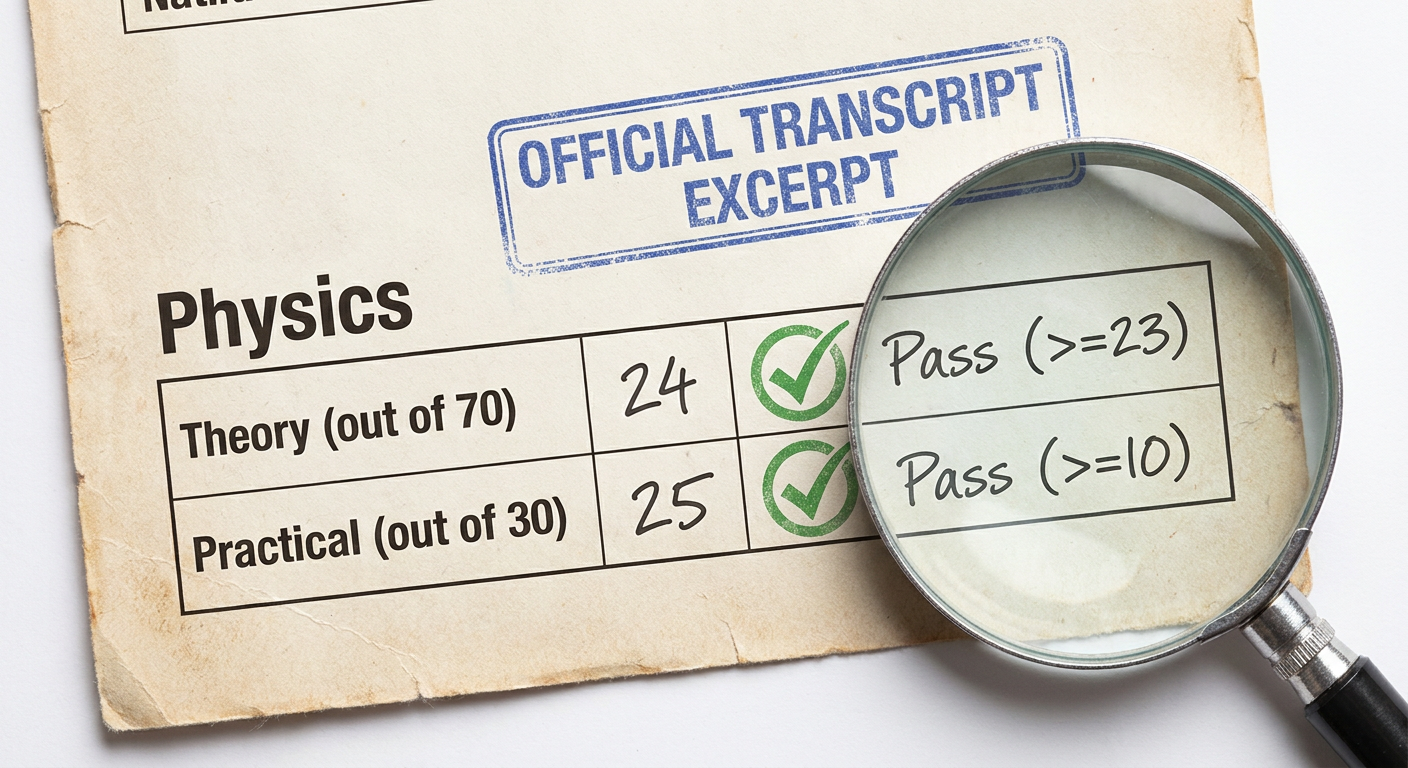
After all the hard work, it's important to understand how you will be evaluated. Let's demystify the numbers behind the CBSE passing marks and grading.
CBSE Passing Marks for Class 12 & 10
The passing criterion is straightforward: you need to secure at least 33% marks to pass.
However, there's a critical difference between Class 10 and 12. For Class 10, you need to score an aggregate of 33% (combining both theory and internal assessment marks). For Class 12, you must secure 33% in the theory examination and 33% in the practical examination separately. For a 70-mark theory paper, this means you need about 23 marks to pass the theory component.
How Your Final Percentage is Calculated
For Class 10, your final percentage is typically calculated based on the 'Best of Five' rule. This includes the marks from your best five subjects out of the ones you appeared for. For Class 12, the percentage is generally calculated based on the five main subjects, which for science students are Physics, Chemistry, Maths/Biology, English, and one optional subject.
What Happens After the Exam? The CBSE Result and Beyond
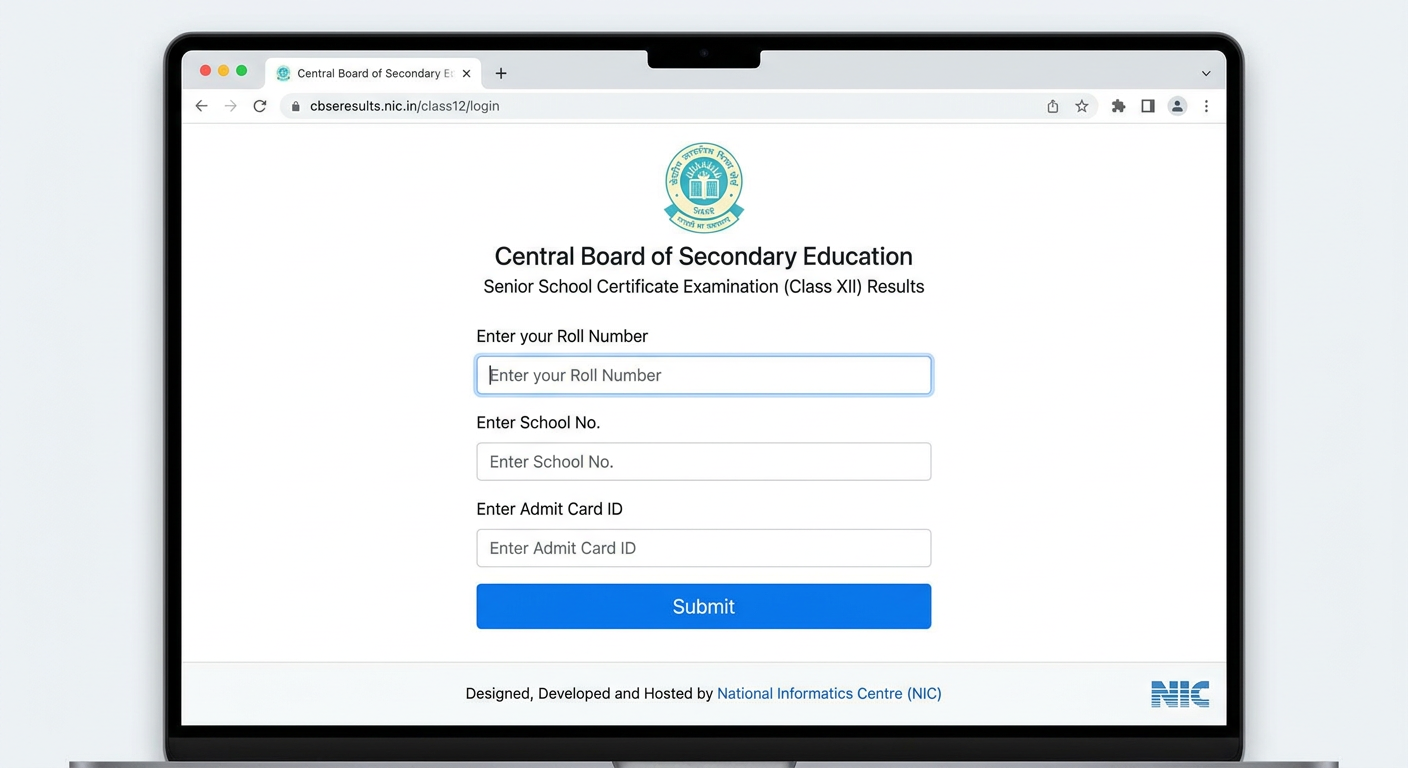
The period after the exams and before the results can be nerve-wracking. The CBSE result for Class 12 is usually announced in May, followed by the Class 10 result.
How to Check Your CBSE Result Online
CBSE provides multiple platforms to check your results. The primary sources are the official websites, such as results.cbse.nic.in and the main CBSE official site. You will need your Roll Number, School Number, and Admit Card ID to log in.
In addition to the websites, results are also made available through the DigiLocker platform and the UMANG app. It's a good idea to have these apps set up in advance. Once you get your result, you can use tools like the JEE rank predictor to estimate your potential college options based on your expected JEE scores and board performance.
Re-evaluation and Verification Process
If you feel that your marks are not what you expected, CBSE offers a transparent, step-by-step process for redressal. There are three options:
- Verification of Marks: This is a check to ensure that all questions have been marked and the total has been calculated correctly.
- Obtaining a Photocopy: You can apply to get a scanned copy of your evaluated answer sheet.
- Re-evaluation: If you find a specific error in checking after obtaining the photocopy, you can apply for a re-evaluation of that particular question.
Each of these steps has a specific window and fee, which is announced on the CBSE website after the results are declared.
FAQs
Is NCERT enough for the CBSE board exam?
Yes, for scoring well over 90%, NCERT textbooks are the absolute key. Reading them thoroughly and solving all their questions is essential. To push for 95% and above, you should supplement NCERT with a thorough practice of previous year question papers and official CBSE sample papers.
What are the passing marks for the CBSE board exam?
The overall passing mark is 33%. For Class 12 subjects with practicals, you must score 33% in the theory component and 33% in the practical component separately. For Class 10, you need an aggregate of 33% combining the theory paper and internal assessment.
How many subjects can I appear for in the improvement exam?
A student who has passed the board exam but wishes to improve their score can appear in the improvement exam for one or more subjects. This is usually held along with the main board examinations of the subsequent year. You only get one chance to appear for improvement.
Is the 75% criteria in Class 12 mandatory for JEE Main?
This criterion applies to admissions into NITs, IIITs, and other GFTIs, not for appearing in JEE Main. To be eligible for a seat in these institutions, a candidate must have secured at least 75% marks in the Class 12 examination or be in the top 20 percentile of their board. Always verify the latest criteria from the official NTA information bulletin.
When will the CBSE board exam 2025 be held?
Based on previous years' trends, the CBSE board examinations for 2025 are expected to be conducted from mid-February to early April. The official, detailed date sheet is typically released by the CBSE in December on its website.
How to balance school practicals with coaching classes?
Treat your school's practical classes as a practical application of the concepts you learn at your coaching. Don't skip them. Use the lab time to ask questions and clarify doubts. This hands-on experience strengthens your understanding for both your board viva and concept-based questions in competitive exams.